 By Bemi Brooks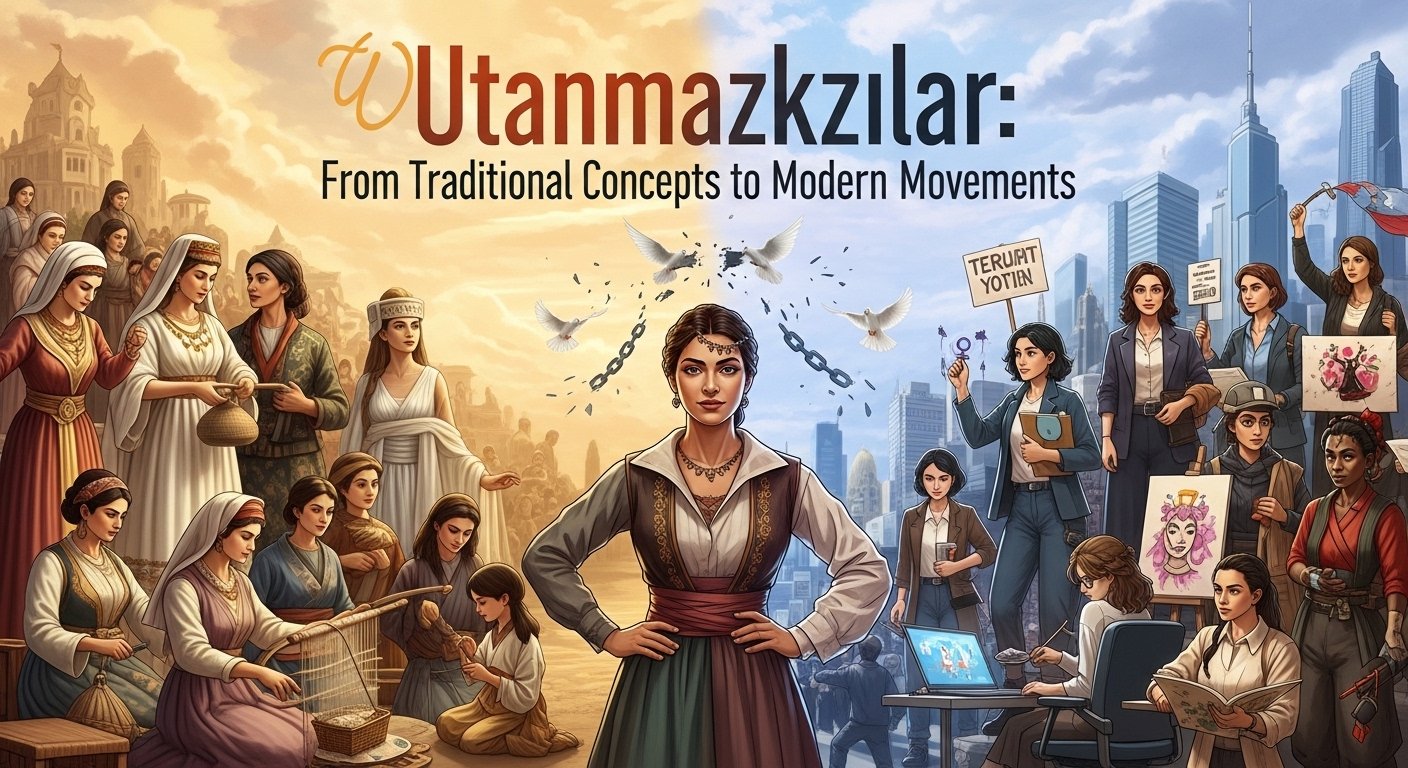
Key Points:
- Research suggests that “utanmazkzılar” originates from Turkish, combining “utanmaz” (shameless or bold) and “kızlar” (girls), often reframed positively as empowering bold women.
- It seems likely that the term has evolved from a derogatory label to a symbol of authenticity and defiance against societal norms, though interpretations vary by generation and context.
- The evidence leans toward its rise as a digital phenomenon, sparking conversations on feminism and self-expression, but some view it critically as promoting vulgarity.
- While not universally controversial, discussions around utanmazkzılar highlight tensions between tradition and modernity, encouraging empathy for diverse cultural perspectives.
At its core, utanmazkzılar refers to “shameless girls” in Turkish, but today it often celebrates boldness and unapologetic living. This shift shows how language adapts to social changes. For example, what started as criticism now inspires confidence in many.
The term draws from Turkish cultural heritage, where concepts of shame and propriety play big roles in social identity. It likely began as a way to enforce norms, but reclamation has turned it into a tool for empowerment.
In digital subcultures, utanmazkzılar fuels trends on platforms like TikTok and Instagram, where users share stories of breaking free from expectations. This connects to broader lifestyle trends, promoting expressive communication and challenging societal norms.
Have you ever wondered how a single word can flip from an insult to a badge of honor? Picture this: in a world where social media shapes identities, terms like utanmazkzılar are doing just that, blending ancient linguistic roots with today’s viral vibes. Utanmazkzılar, a phrase that’s buzzing online, invites us to explore Turkish cultural heritage while unpacking its role in modern movements. Let’s dive in and see what makes this concept so captivating.
So, what is the meaning of utanmazkzılar? Breaking it down, the term comes from Turkish words: “utanmaz,” which translates to shameless or bold, and “kızlar,” meaning girls. Put together, it literally means “shameless girls.” But hold on, that’s not the full story. In cultural contexts, it often carries layers of nuance, from criticism to celebration.
You might think it’s just slang, but utanmazkzılar touches on deeper themes like social identity and expressive communication. For instance, in conversations about societal norms, it highlights how people push back against expectations. Imagine a young woman posting about her unfiltered life on Instagram; that’s utanmazkzılar in action, embracing authenticity over conformity.
To visualize this, consider the chart below, which outlines key aspects of the term:
| Aspect | Description | Example |
|---|---|---|
| Literal Meaning | Shameless girls | Used in casual Turkish talk |
| Positive Reframe | Bold and fearless | Empowerment memes online |
| Cultural Role | Challenges norms | Feminist discussions |
This table shows how utanmazkzılar bridges tradition and modernity. And if you’re wondering about its pronunciation, it’s roughly “oo-tahn-mahz kuhz-lahr,” though regional accents add flair.
Let’s travel back to the origins of the term utanmazkzılar. Rooted in Turkish linguistic evolution, it emerged from everyday language where “utanmaz” described someone without shame, often in a negative light. Historically, in Turkish culture, shame (or “utanç”) played a big part in maintaining social harmony, especially for women.
Think about it: in traditional settings, girls were expected to embody modesty. Terms like this one were tools to enforce those ideals. But as society evolved, so did the word. By the mid-20th century, with urbanization and global influences, it started shifting. Sources trace this change to feminist waves in Turkey, where women began reclaiming derogatory labels.
Here’s a quick timeline to illustrate:
- Pre-1900s: Rooted in folk language, used judgmentally.
- 1900s-2000s: Gains traction in literature and media as a critique of norms.
- 2010s onward: Digital twist turns it empowering.
This evolution mirrors broader cultural symbolism, where words become symbols of resistance. For cultural enthusiasts, it’s a prime example of how language reflects societal shifts.
Diving deeper, utanmazkzılar culture isn’t just about the word; it’s a mindset. In Turkish communities, it ties into concepts of honor and reputation, but modern interpretations flip the script. Today, it represents resilience and self-expression, especially among younger generations.
You might ask, how does one “live” utanmazkzılar? It starts with small acts: speaking up in a meeting, wearing what feels right, or sharing personal stories online. Real-life examples include Turkish artists who use the term in songs or art to challenge gender roles. This blends with digital subcultures, where hashtags create communities.
To grasp it fully, consider these tips:
- Listen to stories: Follow Turkish influencers sharing their journeys.
- Explore media: Watch films depicting bold female characters.
- Reflect personally: Think about norms you’ve defied.
Understanding this culture means appreciating its nuances, from linguistic quirks to emotional depth. It’s not black-and-white; some see it as liberating, others as provocative.
Fast-forward to today, and utanmazkzılar is thriving in modern digital media. Social platforms have amplified it, turning a local phrase into a global trend. On TikTok, videos under #utanmazkzılar rack up views, showing women dancing freely or debating feminism.
Why the buzz? Digital spaces allow for quick sharing, making it a tool for expressive communication. For instance, memes poke fun at old norms, while serious posts discuss empowerment. This ties into modern lifestyle trends, where authenticity sells.
But it’s not all smooth. Controversies arise when the term is misused, leading to debates on cultural appropriation. Still, its viral nature highlights how digital subcultures reshape language.
Here’s a comparison table of its use across platforms:
| Platform | Common Use | Impact |
|---|---|---|
| Empowerment posts | Builds community | |
| Debates and hashtags | Sparks conversations | |
| TikTok | Fun videos | Goes viral quickly |
As you can see, each adds a unique flavor to utanmazkzılar’s digital footprint.
The impact of utanmazkzılar on social trends is profound. It challenges societal norms, encouraging people to question outdated expectations. In Turkey and beyond, it’s fueling movements for gender equality.
Take activism: Women use it to rally against restrictions, like in protests for rights. On a personal level, it boosts confidence, helping individuals embrace their identities. Critics argue it promotes recklessness, but supporters say it’s about balance.
Overall, it influences trends like body positivity and mental health talks, showing how one term can ripple through society.
Hunting for the best utanmazkzılar resources? Start with online hubs. Websites like cultural blogs offer deep dives, while forums discuss real experiences.
Recommended spots:
- Books: Turkish literature on feminism.
- Podcasts: Episodes on linguistic evolution.
- Communities: Reddit threads or Facebook groups.
These provide a mix of education and engagement, perfect for digital trend-seekers.
You might wonder if embracing utanmazkzılar means ignoring all rules. Not quite. A common mistake is taking it literally, leading to misunderstandings. Instead, focus on context: it’s about healthy defiance, not harm.
Another pitfall: assuming it’s only for women. Actually, anyone can adopt its spirit. Avoid cultural insensitivity by learning from authentic sources.
In wrapping up, utanmazkzılar reminds us that words hold power. Whether you’re exploring its roots or joining the movement, take a step today: share your story or read more. What’s one way you’ll embrace boldness?
You May Also Like: The Ultimate Guide to Tiimatuvat: Tradition, Craft, and Modern Living
What is the meaning of utanmazkzılar?
It’s a Turkish phrase meaning “shameless girls,” but often positively as bold women.
How to understand utanmazkzılar culture?
Dive into Turkish history and digital trends; it’s about defying norms with authenticity.
Origins of the term utanmazkzılar?
Rooted in Turkish language, from “utanmaz” and “kızlar,” evolving over time.
Utanmazkzılar in modern digital media?
It’s viral on social platforms, used in memes and empowerment content.
The impact of utanmazkzılar on social trends?
It promotes feminism and self-expression, challenging traditional views.
Finding the best utanmazkzılar resources?
Check cultural sites, books, and online communities for insights.
Is utanmazkzılar controversial?
Yes, some see it as empowering, others as disrespectful, depending on context.