 By Bemi Brooks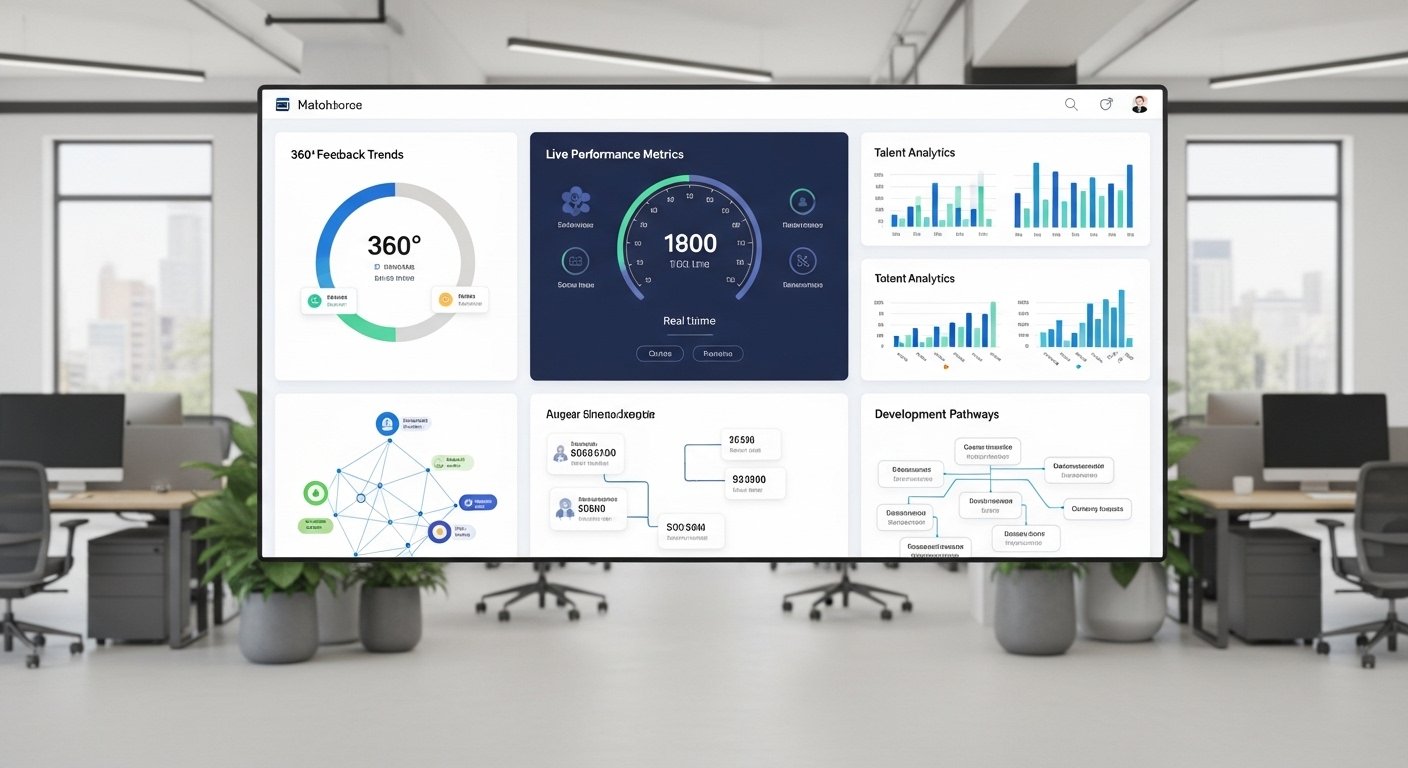
Raterpoint is a cloud-based platform that helps HR teams and managers shift from manual reviews to automated, insight-driven evaluations. It supports real-time feedback, 360-degree input, and AI analytics to track performance and develop talent more effectively.
Core strengths for busy professionals
- Collects feedback from multiple sources to reduce bias and improve accuracy.
- Provides customizable dashboards for key performance indicators and talent trends.
- Scales well for small and mid-sized businesses with flexible setup and integrations.
The evidence leans toward raterpoint delivering practical gains in engagement and efficiency, though results depend on how well teams adopt the tools. Research suggests it works best when paired with clear goals and regular use.
Quick overview of what it delivers: Managers gain instant visibility into employee progress without sifting through spreadsheets. HR leaders can centralize data and focus on development instead of paperwork. For business owners, it offers a straightforward path to merit-based decisions on promotions and training.
Where to explore further: Start at the official platform page to test features tailored to your workflow.
Real-world fit: Teams in tech, retail, healthcare, and education report smoother appraisals and clearer paths for professional growth when using this approach.
Imagine sitting at your desk on a Monday morning, staring at a pile of handwritten performance notes from last quarter. You know the process drains time, invites bias, and rarely sparks genuine growth. Now picture flipping open a single dashboard that pulls in feedback from every angle, highlights top performers, and flags development needs before issues grow. That shift is exactly what raterpoint delivers for HR professionals, department managers, and business owners ready to modernize talent management.
Raterpoint stands out as a performance management system built for the realities of today’s workforce. It combines employee feedback loops with talent analytics so leaders spend less time on admin and more time on people. Whether you run a 20-person startup or lead a 200-employee division, the platform turns scattered input into clear, actionable intelligence.
Traditional reviews happen once a year and feel like a chore for everyone involved. Managers dread the paperwork. Employees wonder why feedback arrives too late to matter. Raterpoint changes that equation by making evaluation continuous and data-driven.
The platform gathers input in real time so issues surface early and wins get celebrated promptly. HR leaders who once chased down forms now watch live trends on productivity, collaboration, and skill gaps. Business owners gain confidence that decisions on raises, promotions, and training rest on balanced evidence rather than gut feel. In short, raterpoint bridges the gap between administrative duty and true talent development.
Picture Sarah, a department manager at a growing software firm. Each quarter she used to spend days compiling self-assessments and peer comments. With raterpoint she sets up a quick template, sends automated invites, and watches responses flow in. The system compiles everything into a clean report that flags strengths and suggests targeted coaching. Sarah finishes her reviews in hours instead of days and walks into calibration meetings armed with facts.
The process is simple. Managers create role-specific templates. Employees, peers, and leaders submit input through mobile-friendly forms. AI scans for patterns while bias-detection tools keep evaluations fair. Dashboards update instantly so everyone stays aligned. This flow supports how to use raterpoint for reviews without adding complexity to already packed schedules.
The platform packs practical tools that busy leaders actually use:
- 360-degree appraisals collect structured input from peers, direct reports, supervisors, and sometimes external stakeholders to paint a complete picture and cut down on single-source blind spots.
- Real-time feedback loops let teams share praise or course corrections anytime, turning annual events into ongoing conversations.
- Talent analytics dashboards track key performance indicators such as goal completion, teamwork scores, and skill progression with visual charts that update live.
- AI-powered insights analyze trends, predict development needs, and recommend training paths tailored to each person.
- Customizable evaluation templates adapt to different roles so a sales rep’s targets look different from an engineer’s code quality metrics.
- Merit-based evaluation tools generate balanced scorecards that weigh quantitative results against qualitative contributions for fairer promotion and compensation decisions.
- Professional development tracking follows individual growth over time and links performance data directly to learning resources.
These features sit inside a clean, cloud-based HR software environment that requires no heavy IT setup. Managers access everything from laptop or phone, and notifications keep the process moving without constant follow-up.
Small and medium enterprises often worry that performance technology will feel oversized or expensive. Raterpoint addresses that concern head-on with flexible onboarding. Owners start with a basic plan that covers core feedback and scale up as the team grows.
A retail chain with three locations rolled it out in one afternoon by linking existing HR records and importing team rosters. Within weeks managers reported clearer visibility into store performance and faster identification of rising leaders. The platform’s mobile access proved especially useful for field teams who submit feedback between shifts.
Implementation tips that work: Begin with one department to build internal champions. Offer a short training session that focuses on benefits rather than buttons. Set clear expectations around response time so participation stays high. Many SMEs see quick wins in reduced turnover and stronger engagement once the system becomes routine.
Manual feedback collection eats hours and still misses voices. Raterpoint automates the entire cycle. Custom forms go out automatically at set intervals or after key projects. Reminders nudge late responders gently. Once input arrives, the system organizes it, runs sentiment analysis, and surfaces highlights for managers.
Teams that previously relied on email threads or shared drives now enjoy one secure hub. Anonymity options encourage honest input while verification tools maintain trust. The result is richer data and higher participation rates without extra effort from HR.
No one wants another standalone tool. Raterpoint connects smoothly with popular HR and productivity systems so data flows where it already lives. Payroll platforms, communication apps, and existing talent suites sync without custom coding. HR administrators set permissions once and let the system handle updates. This integration keeps workflows intact while adding powerful analytics on top.
Bias creeps into every manual process. Raterpoint counters it with standardized templates, multi-source input, and AI flags that highlight potential inconsistencies. Managers review side-by-side comparisons of self-ratings versus peer views, then adjust with context. Over time the platform learns organizational norms and refines suggestions further. Leaders report appraisals that feel fairer and more consistent across departments.
Pricing stays flexible to match business size. Plans range from basic tiers ideal for small teams to premium packages packed with advanced analytics and priority support. The structure rewards growth without sudden jumps in cost.
Return on investment shows up in several measurable ways. One mid-sized IT company noted a 25 percent lift in employee engagement scores and a 30 percent drop in voluntary turnover after six months of consistent use. Managers reclaim hours each quarter that once went to chasing paperwork. Training budgets become more targeted because development needs surface clearly. While exact savings vary, the pattern across adopters is clear: less admin, stronger retention, and smarter talent decisions add up quickly.
| Aspect | Traditional Methods | Raterpoint Approach | Typical Impact |
|---|---|---|---|
| Feedback frequency | Once or twice a year | Real-time and continuous | Faster issue resolution and recognition |
| Data sources | Manager only | 360-degree from multiple perspectives | Reduced bias, fuller picture |
| Analysis time | Manual compilation | AI-powered instant insights | Hours saved per review cycle |
| Development tracking | Ad-hoc notes | Built-in progress dashboards | Clearer growth paths and training ROI |
| Scalability for SMEs | Labor intensive | Cloud-based and customizable | Affordable growth without added headcount |
| Decision support | Subjective | Data-driven merit evaluation | Fairer promotions and retention gains |
This side-by-side view helps leaders see exactly where the platform creates leverage.
- Map your current pain points in performance reviews.
- Book a quick demo focused on your industry and team size.
- Pilot with one department to measure participation and time savings.
- Roll out training that emphasizes benefits for employees and managers alike.
- Review analytics after 90 days and adjust templates based on early trends.
Taking these steps turns curiosity into confidence.
Raterpoint is more than software. It is a practical partner that helps leaders build stronger, more engaged teams in a world that moves fast. The combination of 360-degree appraisals, talent analytics, and effortless automation gives HR professionals and managers the clarity they need to develop people and drive results.
Ready to move beyond outdated reviews? Visit the platform today and discover how raterpoint can fit your unique needs. Share your own experiences with performance tools in the comments. Your insights help the whole community move forward.
You May Also Like: What is Miuzo? A Guide to the New Digital Frontier
What exactly is raterpoint?
Raterpoint is a dual-function cloud platform that manages customer reviews while delivering powerful internal tools for employee performance evaluations, feedback, and talent development.
Does raterpoint support 360-degree appraisals?
Yes. The system collects structured input from peers, direct reports, supervisors, and other stakeholders to create balanced, bias-reduced evaluations.
Is raterpoint suitable for small businesses?
Absolutely. Flexible pricing and simple setup make it practical for teams of any size, with features that scale as you grow.
How does raterpoint handle data security?
The platform follows industry standards including GDPR and CCPA compliance, with role-based permissions and encrypted storage.
Can I integrate raterpoint with my existing HR software?
Yes. It connects smoothly with common HR and productivity tools so your current workflows stay intact while gaining new insights.
What kind of ROI can I expect?
Many teams see gains in engagement, reduced turnover, and hours saved on admin. Exact returns depend on adoption, but early users often report measurable improvements within the first quarter.
How do I get started with raterpoint for reviews?
Sign up, customize a template for your roles, invite participants, and let the dashboards guide your next steps. Most teams are up and running in under a week.