 By Sayyam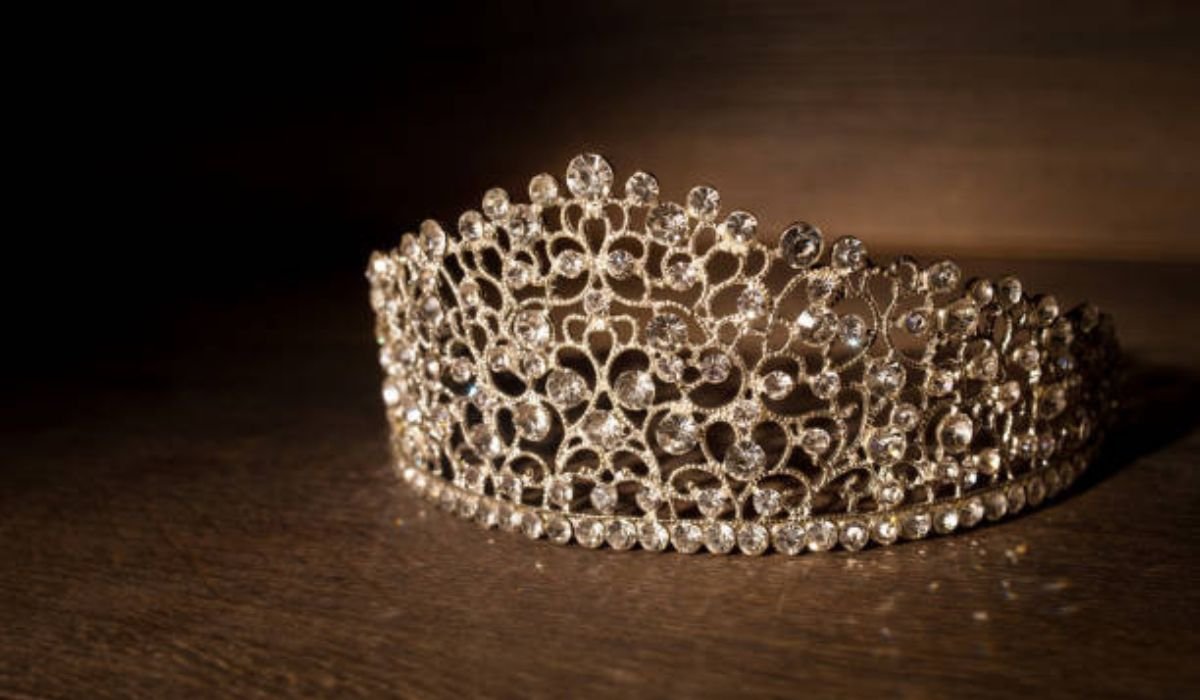
Let’s be honest, for a moment. You’ve tried on the dress. You’ve maybe even settled on the veil. But there’s a lingering question, a whisper of an idea that feels both extravagant and utterly perfect. What about a crown?
Not just any crown, mind you. We’re talking about the diadem – bridal lehe, a piece of headwear that has graced the heads of queens and empresses for centuries. It’s the ultimate statement piece, the final, glorious punctuation mark on your bridal look. But it’s also shrouded in mystery. Is it too much? Will it look like you’re playing dress-up? How on earth do you style it without it wearing you?
Take a deep breath. I’ve been in this industry long enough to see trends come and go, but the allure of the diadem is eternal. It’s not about being trendy; it’s about tapping into a legacy of elegance. This isn’t just another accessory. It’s a declaration.
So, let’s demystify it. Consider this your personal, no-nonsense guide to embracing the diadem – bridal lehe and making it the crowning glory of your wedding day.
Before we dive into the how, let’s get our terms straight. You’ll hear words like tiara, crown, and diadem thrown around interchangeably. And frankly, most people wouldn’t call you out on it. But there is a nuance, and understanding it helps you choose the right piece.
A diadem is, historically, a type of crown, specifically a headband-style ornament. The word itself comes from the Greek diadein, meaning “to bind around.” Think of it as a more structured, often wider, band that sits across the forehead or the crown of the head. It’s what you see on ancient Greek statues and, more recently, on Princess Beatrice at her wedding.
A tiara, by comparison, is typically a semicircular piece that arches upward, like the iconic Cambridge Lover’s Knot worn by Princess Diana. A crown is a full circle, often reserved for coronations and monarchs.
But here’s my take, and where the term diadem – bridal lehe gets interesting. In modern bridal parlance, “diadem” has come to evoke a feeling more than a strict historical definition. It suggests a piece that is grand, structured, and regal. It’s the word you use when a simple “headpiece” feels inadequate. It’s for the bride who wants to feel like she’s ruling her day, not just attending it.
Why would you, a modern woman, opt for a piece of jewelry with such ancient roots? The reasons are more profound than you might think.
- Instant Elevation: A diadem transforms an entire look. It pulls the eye upward, frames your face, and adds an undeniable verticality and grandeur. It makes a simple dress look intentional and elegant, and a detailed dress look like a masterpiece.
- The Heirloom Factor: Let’s talk longevity. While veils are often preserved, they can yellow and become fragile. A well-made diadem – bridal lehe is a piece of fine jewelry. It’s an heirloom in the making, something you can potentially pass down, or even wear on significant anniversaries.
- A Statement of Confidence: This is the big one. Choosing to wear a diadem is a powerful act. It says you’re comfortable being the center of attention, that you embrace the ceremonial nature of the day. It’s for the bride who owns the room.
This is the crossroads many brides find themselves at. Do you go for the classic, flowing drama of a veil, or the solid, majestic presence of a diadem? Honestly, you don’t always have to choose.
But let’s break it down clearly.
| Feature | Diadem – Bridal Lehe | Traditional Veil |
| Visual Impact | Structured, regal, and permanent. Frames the face. | Ethereal, soft, and dynamic. Creates movement. |
| Symbolism | Power, legacy, and confidence. | Purity, tradition, and the “unveiling” moment. |
| Practicality | Stays put all night. No one steps on it. Easy to wear. | Can be cumbersome, might be removed after the ceremony. |
| Versatility | Can be worn alone or with a simpler, shorter veil attached at the back. | Less versatile on its own, but the classic choice. |
| The “Wow” Factor | Immediate and majestic. | Timeless and dramatic in its own, softer way. |
My professional opinion? The most stunning looks I’ve seen often combine the two. A gorgeous diadem – bridal lehe worn at the front with a fingertip or cathedral veil attached behind it. You get the best of both worlds: the regal frame for your face during the ceremony and photos, and the dramatic veil trail. After the ceremony, you remove the veil, and the diadem remains as your stunning evening accessory. It’s a win-win.
Read also: Discover Xuebaotou.com: Where Timeless Comfort Meets Modern Style
Walking into a bridal salon and seeing a case of sparkling diadems can be overwhelming. How do you find “the one”? It’s not just about picking the prettiest one; it’s about finding the piece that harmonizes with your entire ensemble.
1. Consider Your Gown’s Neckline and Detail.
This is rule number one. The diadem and the dress must be in a conversation, not a shouting match.
- Simple, Minimalist Gown: You have a blank canvas! This is your chance to go bold. A more substantial, detailed diadem – bridal lehe with crystals, pearls, or even floral motifs will add the focal point your look needs.
- Highly Detailed Gown (e.g., lots of lace, beading): Tread carefully. You’ll want a simpler, more streamlined diadem that complements rather than competes. Maybe a delicate, thin band or one that picks up a single motif from the dress, like a pearl element.
2. Think About Your Hairstyle.
This is non-negotiable. Your hairstyle and diadem are a partnership. You need to decide this before your final hair trial.
- Updos: A classic chignon or a sophisticated up-do is the perfect foundation for a diadem. It allows the piece to sit securely and be displayed in its full glory.
- Down Styles: Yes, you can wear a diadem with your hair down! The key is to have some volume and texture. A diadem nestled into soft, romantic waves is a breathtakingly ethereal look. Just ensure your stylist knows the plan so they can place it securely.
3. Match the Metal to Your Color Palette.
This is a tiny detail that makes a huge difference. Is your dress a bright, stark white? Silver-toned or white gold diadems will look crisp and clean. Is it an ivory, off-white, or champagne gown? A gold or rose gold diadem – bridal lehe will blend seamlessly and feel warmer and more vintage.
4. The Comfort Factor.
This seems obvious, but it’s often forgotten. A diadem should not feel like a vice on your head. It should be secure but not pinch. When you try one on, move your head. Look down, shake your head gently. Does it shift? Does it dig in? A good salon will have ways to pad it and make it fit perfectly. Don’t settle for “it’s fine.” It has to be comfortable.
I once worked with a bride who was incredibly soft-spoken and shy. She chose a magnificent, almost architectural diadem. I’ll admit, I was initially surprised. But when she put on her entire ensemble and looked in the mirror, her entire posture changed. She stood taller. She smiled with a new kind of assurance. The diadem wasn’t just an accessory; it was a suit of armor. It gave her permission to feel as powerful and important as she truly was that day. That’s the magic we’re talking about.
Q1: Is a diadem only for a royal or ultra-formal wedding?
Absolutely not. While it certainly suits a black-tie affair, the beauty of modern bridal fashion is breaking rules. A delicate, minimalist diadem can be stunning at a rustic barn wedding or a bohemian beach ceremony. It’s all about the scale and style of the piece.
Q2: Can I wear a diadem if I have short hair?
You can, and it can be incredibly chic. The key is to work with your stylist to create volume and texture. A diadem can add a fantastic focal point and a touch of glamour to a shorter, textured crop.
Q3: How is a diadem secured?
Most have combs or wire prongs that tuck securely into your hairstyle. Your hairstylist will be an expert at this, using pins and product to ensure it doesn’t move an inch, even on the dance floor.
Q4: Are there affordable diadem options?
Of course. While fine jewelers create pieces with real diamonds and gold, the bridal market is flooded with beautifully made, high-quality crystal and rhinestone options that are utterly convincing and won’t break the bank.
Q5: Does it have to be brand new?
Not at all! Some of the most beautiful diadems are vintage. Scouring family heirlooms, antique shops, or online vintage marketplaces can unearth a unique piece with a story. It adds another layer of meaning to your day.
Q6: Can I wear it with a birdcage veil?
Yes, this is a fabulous and very vintage-inspired combination. The structured netting of a birdcage veil pairs beautifully with the solid form of a diadem, creating a very 1940s Hollywood glamour look.
Q7: What if it feels like “too much” during the reception?
This is the best part—it isn’t a veil you have to remove. It’s a crown. You wear it all night. It becomes part of you. If you’re truly concerned, choose a lighter, less imposing piece for the evening, but most brides who choose one never want to take it off.
The journey to finding your diadem – bridal lehe is part of defining the character of your entire wedding. It’s a choice that leans into tradition while making a fiercely personal statement. It speaks of a bride who knows her own mind and isn’t afraid to embrace a little grandeur.
In a world of fast fashion and fleeting trends, the diadem is a testament to timelessness. It’s a nod to the empresses of old and a symbol for the modern woman—a woman who is, for one perfect day, the queen of her own destiny.
So, what do you think? Is there a diadem in your future?
You may also like: Inexpensive Wigs Near Me – Your Ultimate Local Shopping Guide
 Bemi Brooks