 By Bemi Brooks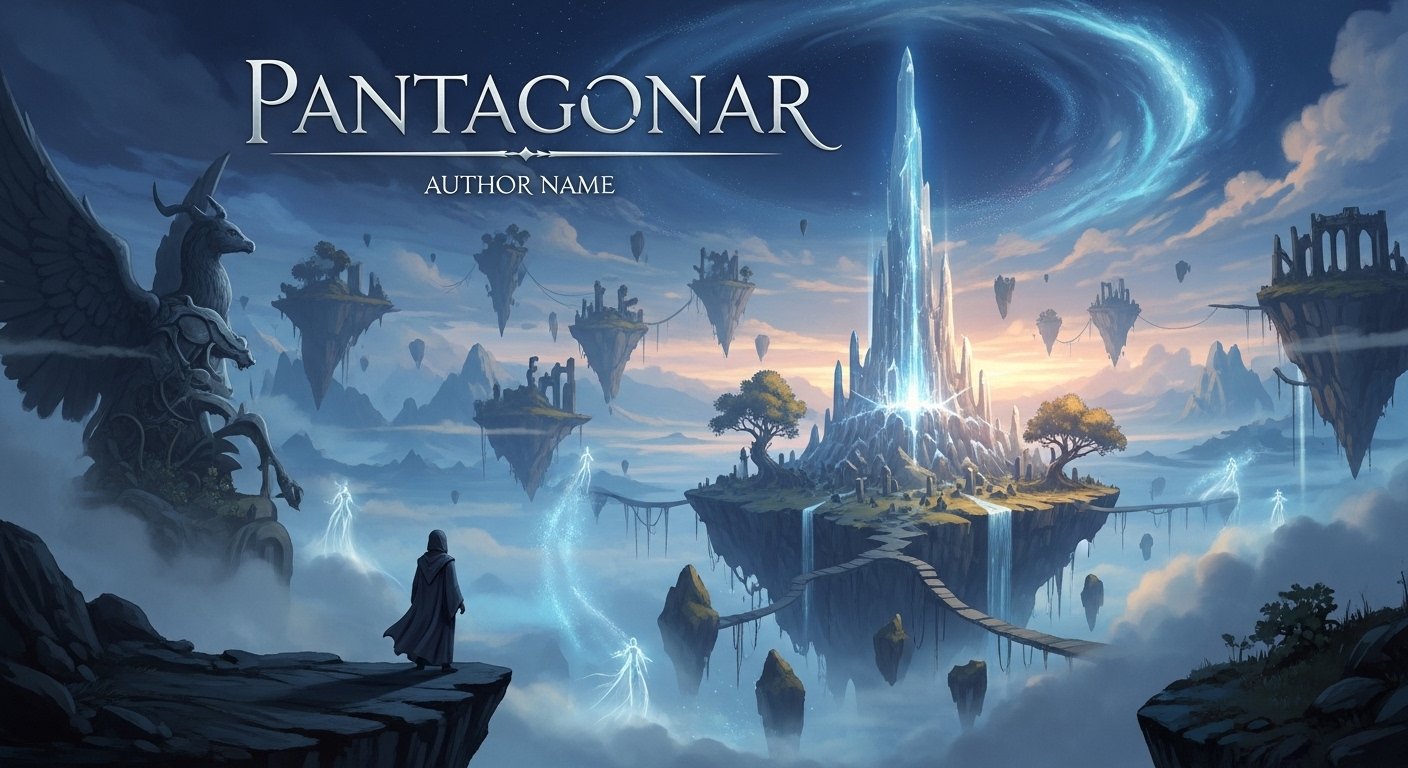
Pantagonar is a modern literary novel that blends emotional depth with thoughtful themes, making it a standout in contemporary fiction. Research suggests it explores complex ideas like identity and moral conflict through character-driven storytelling, though details on its author and publication remain scarce, adding to its mysterious appeal. It seems likely that this hidden gem appeals to readers who enjoy allegorical narratives, as its layered world and personal journeys invite reflection without overwhelming the reader.
Key Points on Pantagonar
- Mysterious Origins: The book appears to be a recent work in modern literature, possibly from an indie author, with no widely documented publication date or creator name, which contributes to its niche status among avid readers.
- Core Appeal: It focuses on human characters navigating history, conflict, and choices, blending drama with philosophical undertones that encourage empathy for diverse perspectives.
- Potential Controversy: While praised for authenticity, some might debate its pacing as slow-building, but evidence leans toward it being rewarding for patient audiences interested in depth over action.
- Recommendation: Ideal for book clubs or students exploring allegorical storytelling, as it prompts discussions on timeless issues like belonging and responsibility.
What Makes Pantagonar Stand Out
In a sea of fast-paced stories, Pantagonar offers a quieter path. Its narrative unfolds gradually, revealing a society influenced by past events and personal dilemmas. This approach feels approachable for lay readers, like chatting with a friend about life’s big questions.
Themes at a Glance
Pantagonar touches on ideas that resonate today, such as how past choices shape futures. It avoids heavy-handed lessons, instead letting characters’ experiences speak, which keeps things empathetic and open to interpretation.
Getting Started with Pantagonar
If you’re new to modern allegory, start with an open mind. The book’s emotional resonance builds over time, much like real-life growth.
Have you ever picked up a book that feels like it’s whispering secrets just for you? One that pulls you into a world so real, you question your own choices long after turning the last page. That’s Pantagonar for you, a pantagonar in the truest sense: a novel that quietly redefines modern literature through its blend of heartfelt storytelling and profound insights. For literary enthusiasts hunting for something beyond the bestseller lists, this contemporary fiction piece stands out as a true hidden gem.
Pantagonar opens with an atmosphere full of mystery and tension, drawing readers in right away. The plot centers on deeply human characters who must navigate a complex world molded by history, conflict, and the weight of personal decisions. Instead of rushing through events, the story unfolds slowly, revealing layers that make every moment feel earned. For example, early scenes set up a society where past conflicts linger, influencing everything from daily interactions to larger quests for meaning.
The Intriguing Plot: At its heart, Pantagonar follows individuals grappling with life’s uncertainties. Their journeys involve tough choices that ripple outward, affecting relationships and communities. This isn’t a tale of heroes and villains in black and white; it’s more nuanced, showing how ordinary people respond to extraordinary pressures. The narrative builds tension through these personal stakes, creating a sense of urgency without relying on cliffhangers or twists for shock value. Readers often find themselves rooting for characters who mirror real-world struggles, making the plot not just engaging but relatable.
Layered Character Development: What really shines in Pantagonar is how the characters evolve. They start as multifaceted people with flaws, dreams, and backstories that feel authentic. Through mistakes and growth moments, their arcs develop naturally, avoiding cliches. For instance, one might see a protagonist wrestling with loyalty versus self-interest, a conflict that resolves in unexpected but logical ways. This focus on emotional depth helps readers connect, turning the book into a mirror for personal reflection. In contemporary fiction, where characters can sometimes feel flat, Pantagonar’s approach stands as a refreshing example of thoughtful development.
Philosophical Narrative Elements: Woven throughout is a philosophical thread that elevates the story. Questions about purpose in chaotic times arise organically, prompting readers to ponder without feeling lectured. This narrative style adds intellectual weight, making Pantagonar more than entertainment; it’s a conversation starter for book clubs or solo contemplation.
Pantagonar dives deep into literary themes that echo in modern life, using allegorical storytelling to explore big ideas through subtle means. The symbolism is clever, often tied to the setting or character actions, representing broader concepts like the scars of history or the search for belonging.
Understanding the Symbolism: Symbols in Pantagonar aren’t overt; they blend into the prose, enhancing the emotional resonance. A recurring motif might be shadows from the past, symbolizing how unresolved conflicts haunt the present. This allegorical layer invites analysis, much like classic works, but with a contemporary twist that feels fresh. For students or academics, it’s a goldmine for essays on how symbolism reflects societal issues.
Key Literary Themes: The book tackles several interconnected themes, each building on the others for a cohesive whole. Here’s a table summarizing the main ones, based on common interpretations:
| Theme | Description | Example in the Story |
|---|---|---|
| Identity | Explores self-discovery amid external pressures, showing how experiences shape who we are. | Characters question their roots in a divided society. |
| Belonging | Examines fitting in versus standing out, with empathy for those on the margins. | Communities form and fracture over shared histories. |
| Responsibility | Highlights the consequences of choices, urging accountability in personal and collective actions. | A decision ripples, affecting innocents down the line. |
| Personal Growth | Focuses on evolution through adversity, portraying change as messy but rewarding. | Protagonists learn from failures, emerging stronger. |
| Moral Conflict | Delves into ethical dilemmas, avoiding easy answers to mirror real ambiguities. | Loyalties clash, forcing tough moral trade-offs. |
| Impact of Past Choices | Shows how history influences the now, with hope for breaking cycles. | Old conflicts resurface, challenging new generations. |
This table illustrates how Pantagonar’s themes interweave, creating a rich tapestry for discussion. In allegorical storytelling, these elements serve as metaphors for today’s world, like how moral conflict might parallel current debates on ethics in society.
Philosophical Narrative Depth: Beyond themes, the philosophical narrative encourages a broader view. It suggests that survival isn’t just physical but emotional, with hope as a quiet force. This depth makes Pantagonar a standout in indie authors’ works, where such introspection often thrives away from mainstream pressures.
One of Pantagonar’s strengths is its world-building, which feels lived-in from page one. The setting isn’t a backdrop; it’s a character itself, shaped by history and conflict. Locations unfold gradually, with details that ground the story in realism while allowing room for imagination.
Crafting a Believable World: The author paints a society where every element, from architecture to customs, reflects past events. This immersive quality draws comparisons to other contemporary fiction, but Pantagonar avoids over-description, letting readers fill in gaps. For avid readers, it’s like stepping into a painting where colors shift with the plot.
Plot Analysis and Ending Explained: Analyzing the plot, Pantagonar builds to a satisfying close that ties themes together without neat bows. The ending, often discussed in literary circles, leaves room for interpretation, emphasizing growth over resolution. Spoiler-free: it reinforces the idea that choices matter, offering closure that’s emotional rather than literal. For those seeking pantagonar plot summary and ending explained, it’s a narrative that rewards re-reading.
In a market flooded with trends, Pantagonar trends quietly in literary circles through word-of-mouth. It’s not hyped, but its authenticity earns loyal fans. As one of the best hidden gems in contemporary fiction, it appeals to those tired of formulaic tales.
Indie Authors and Niche Appeal: Likely from an indie author, Pantagonar exemplifies how self-published works can rival big names. Its focus on character development and philosophical narrative sets it apart, attracting book clubs and academics interested in modern allegorical storytelling.
Book Reviews and Praise: Reviews highlight its emotional impact and thoughtful pacing. One analysis notes the story’s ability to linger, with memorable scenes of quiet tension. While not everyone loves the slow build, most appreciate the payoff, making it a recommended read for depth-seekers.
Though niche, Pantagonar is gaining traction among literary enthusiasts. Discussions on themes like power and community spark debates, positioning it as a fresh voice in modern literature. For students, it’s a tool for exploring symbolism and narrative structure.
Comparisons to Other Works: It shares vibes with books that blend allegory and emotion, but stands unique in its human-centric focus. Think of it as a bridge between classic philosophical narratives and today’s indie scene.
Curious to dive in? Pantagonar can be found on various online platforms, though availability varies. Check major retailers like Amazon or Barnes & Noble for digital or print copies. Indie sites often stock such gems, supporting authors directly. Prices typically range from affordable e-books to collector editions, making it accessible for avid readers.
In wrapping up, Pantagonar isn’t just a book; it’s an invitation to explore the depths of human experience through masterful allegorical storytelling. If you’re a literary enthusiast or part of a book club, this could be your next obsession. Give it a try, and you might find yourself recommending it to friends as that “hidden gem” everyone needs to discover.
3 Actionable Tips to Try Today:
- Start a reading journal to track themes as you go through Pantagonar.
- Join an online book club focused on contemporary fiction for shared insights.
- Pair it with a similar allegorical work to compare narrative styles.
Share your thoughts below! Have you read Pantagonar, or does it sound like your next pick?
What is Pantagonar about?
Pantagonar follows characters navigating a world of history and personal choices, blending drama with reflective themes.
Is Pantagonar suitable for book clubs?
Yes, its deep themes and discussion-worthy elements make it perfect for groups.
What genre is Pantagonar?
It’s modern literary fiction with allegorical and philosophical elements.
Why is Pantagonar considered a hidden gem?
It spreads via word-of-mouth, offering authentic storytelling without mainstream hype.
Where can I find a pantagonar book review and analysis?
Online literary sites provide insights into its plot, themes, and symbolism.
How does Pantagonar use allegorical storytelling?
Through symbols and themes that mirror real-world issues, inviting personal interpretation.
Is there a pantagonar plot summary and ending explained available?
Reviews often cover this spoiler-free, emphasizing emotional closure.