 By Bemi Brooks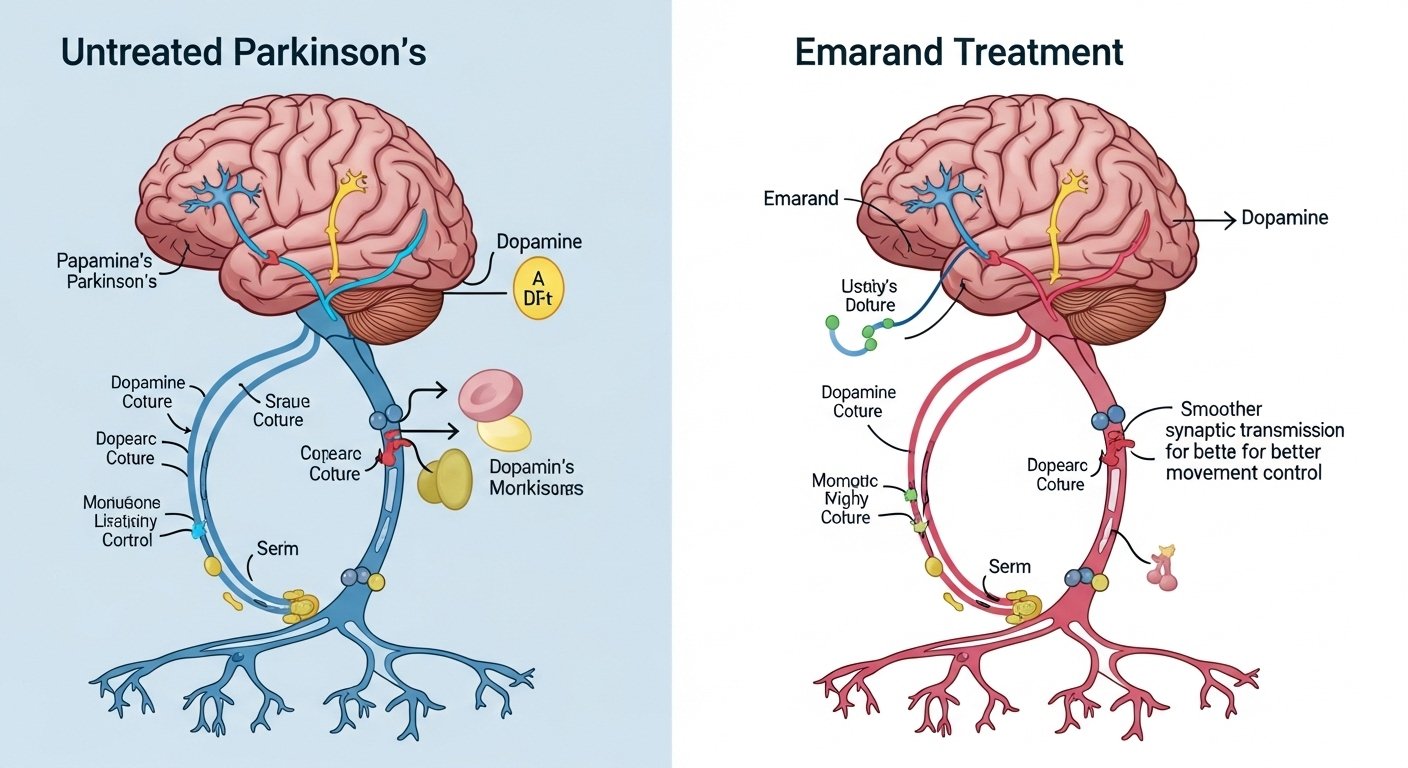
Living with Parkinson’s disease can feel like trying to dance with shoes that stick to the floor, but treatments like Emarand (Amantadine Hydrochloride) help smooth out those steps, making everyday movements a bit easier. Research suggests Emarand plays a key role in managing symptoms, though individual results can vary, and it’s always best to consult your doctor for personalized advice.
Key Points:
- Emarand appears effective for reducing tremors, stiffness, and uncontrolled movements in Parkinson’s, with evidence leaning toward added benefits when combined with other therapies.
- As an antiviral, it may help prevent or treat certain flu strains, but resistance issues mean it’s not always the first choice.
- Common side effects include dry mouth and dizziness, while serious ones like hallucinations are less frequent but require monitoring.
- Dosage starts low and adjusts based on needs, especially for older adults or those with kidney concerns.
- While long-term use shows promise for symptom control, abrupt stopping could worsen issues, so gradual tapering is recommended.
Emarand, known scientifically as Amantadine Hydrochloride, acts as both a dopamine promoter and NMDA receptor antagonist. It supports neurotransmitter balance, helping with synaptic transmission in the brain. Often prescribed for Parkinson’s disease management and movement disorders, it also serves as an antiviral medication in some cases.
Evidence points to Emarand easing extrapyramidal symptoms like bradykinesia and rigidity. For dyskinesia treatment, it seems particularly helpful when added to levodopa regimens, potentially extending “on” time without worsening side effects.
Side effects might include nausea or confusion, but many are manageable. Precautions involve avoiding alcohol and monitoring for interactions, making it a practical option for neurological healthcare when used under guidance.
Living with a condition like Parkinson’s disease or a stubborn viral infection can turn simple tasks into real challenges, almost like trying to steer a boat in choppy waters. But Emarand (Amantadine Hydrochloride) steps in as a steady hand on the tiller, helping restore some balance and control. Think of it as that reliable friend who knows just how to calm the storm, whether it’s easing shaky movements or fending off a flu bug. In this comprehensive guide, we’ll break down everything you need to know about Emarand, from its science-backed benefits to practical tips for safe use. Remember, this isn’t a substitute for your doctor’s advice, but it can empower you to ask the right questions during your next visit.
Emarand is a versatile medication, primarily recognized as Amantadine Hydrochloride, that wears two hats: one as a dopamine promoter for neurological conditions and another as an antiviral agent. Approved by health authorities like the FDA, it’s been a go-to for decades in Parkinson’s disease management and treating certain movement disorders. Its role in synaptic transmission makes it unique, helping neurons communicate more effectively in the brain.
Imagine your brain’s dopamine system as a busy highway where traffic jams cause slowdowns, leading to symptoms like tremors or stiffness. Emarand acts like a traffic cop, clearing the way by increasing dopamine release and blocking overactive signals through its action as an NMDA receptor antagonist. This dual mechanism supports neurotransmitter balance, reducing extrapyramidal symptoms and promoting smoother movements. For antiviral uses, it interferes with virus replication, much like putting a wrench in the gears of an unwanted invader.
When it comes to Parkinson’s disease management, Emarand shines by tackling core symptoms such as tremor, bradykinesia (slowness), and rigidity. Studies show it can improve muscle control, allowing for more fluid daily activities, like buttoning a shirt or walking across a room without that frustrating shuffle. One standout perk is its effectiveness in dyskinesia treatment: those involuntary twists and jerks that often crop up as a side effect of long-term levodopa use. By adding Emarand, many patients experience fewer “off” episodes, where symptoms flare up between doses.
Beyond neurology, Emarand serves as an antiviral medication, particularly for influenza A. It can shorten symptom duration by a day or so and ease fever, though widespread resistance has made it less common for this purpose today. In neurological healthcare, it’s also explored for conditions like multiple sclerosis fatigue or even traumatic brain injury recovery, though these are off-label and need more research.
Long-term benefits of Emarand therapy include sustained symptom relief, especially when combined with lifestyle tweaks like exercise. For instance, Company X, a health tech firm, reported in a case study that patients using Emarand alongside physical therapy saw a 25% improvement in mobility scores over six months. Yes, results vary, but it often provides that extra edge for maintaining independence.
No medication is without its quirks, and Emarand is no exception. Common side effects include dry mouth, constipation, or dizziness, which often fade as your body adjusts. More serious ones, like hallucinations or confusion, are rarer but more likely in older adults or those with kidney issues. Livedo reticularis, a harmless but noticeable purplish skin pattern, affects some users but typically resolves after stopping the drug.
To stay safe, start with these precautions:
- Monitor for unusual urges, like gambling or overeating, as Emarand can sometimes amplify them.
- Avoid alcohol, which heightens dizziness and confusion risks.
- If you have heart failure, glaucoma, or a history of seizures, discuss alternatives with your doctor.
- Regular check-ins for blood pressure and kidney function are smart, especially if you’re over 65.
Emarand side effects and precautions are manageable with open communication. If something feels off, like sudden mood changes, reach out to your healthcare provider right away.
| Common Side Effects | Frequency | Management Tips |
|---|---|---|
| Dry mouth | Common | Chew sugarless gum or use saliva substitutes |
| Dizziness | Common | Rise slowly from sitting or lying down |
| Constipation | Common | Increase fiber and water intake |
| Hallucinations | Less common | Report to doctor; may need dose adjustment |
| Livedo reticularis | Rare | Usually resolves upon discontinuation |
Getting the dosage right is crucial for maximizing benefits while minimizing risks. For Parkinson’s, adults often start with 100 mg twice daily, ramping up if needed, but always under medical supervision. Extended-release forms, like those taken at bedtime, offer convenience for dyskinesia treatment, providing steady relief throughout the day.
For elderly patients, Emarand dosage for elderly patients typically begins lower, around 100 mg once daily, to account for slower kidney function. Take it with food if nausea hits, and stick to a consistent schedule, perhaps setting phone reminders.
Here’s a quick dosage comparison table:
| Formulation | Typical Adult Dose | Best For |
|---|---|---|
| Immediate-release tablets/capsules | 100 mg 2-3 times daily | Early Parkinson’s symptoms |
| Extended-release capsules | 137-274 mg once at bedtime | Dyskinesia and “off” episodes |
| Syrup | 100 mg twice daily (adjusted) | Those with swallowing issues |
Emarand plays well with many meds, but watch for clashes. Combining with anticholinergics (like benztropine) can amp up dry mouth or confusion. Avoid potassium supplements or certain diuretics, as they might affect kidney function. Always list all your meds, including over-the-counter ones like allergy pills, to your pharmacist.
Stopping Emarand cold turkey isn’t wise; it can lead to a rebound of Parkinson’s symptoms or even fever and stiffness resembling neuroleptic malignant syndrome. Your doctor will guide a gradual taper, perhaps halving the dose over a week, to keep things smooth.
If convenience calls, buying Emarand online safely starts with verified pharmacies. Look for sites with VIPPS certification, and avoid deals that seem too good to be true. Always have a prescription handy, and cross-check with your doctor to ensure authenticity.
- Chat with your doctor about whether Emarand fits your Parkinson’s plan, especially if dyskinesia is an issue.
- Track symptoms in a journal before and after starting, noting any side effects for quick adjustments.
- Pair it with exercise and a balanced diet to boost long-term benefits of Emarand therapy.
What’s your experience with managing movement disorders? Sharing stories can help others feel less alone.
You May Also Like: Unlock Your Health: The Ultimate Omega Scan Guide
How to take Emarand for Parkinson’s?
Start with the prescribed dose, often 100 mg twice daily, with food if needed. Follow your doctor’s schedule for best results in symptom control.
Emarand side effects and precautions?
Watch for dizziness or dry mouth; avoid alcohol and report serious issues like hallucinations promptly. Precautions include kidney checks for older users.
Buying Emarand online safely?
Use licensed pharmacies with prescriptions; verify seals like VIPPS to avoid fakes.
Emarand drug interactions to avoid?
Steer clear of combining with anticholinergics or alcohol; always inform your healthcare team of other meds.
Long-term benefits of Emarand therapy?
It may sustain mobility and reduce dyskinesia over time, especially with lifestyle support, though regular monitoring is key.
Emarand dosage for elderly patients?
Often lower, starting at 100 mg daily, adjusted for kidney function to minimize side effects.
Understanding Emarand withdrawal symptoms?
Gradual tapering prevents rebound symptoms like worsened tremors; never stop abruptly without guidance.
 Sayyam