 By Bemi Brooks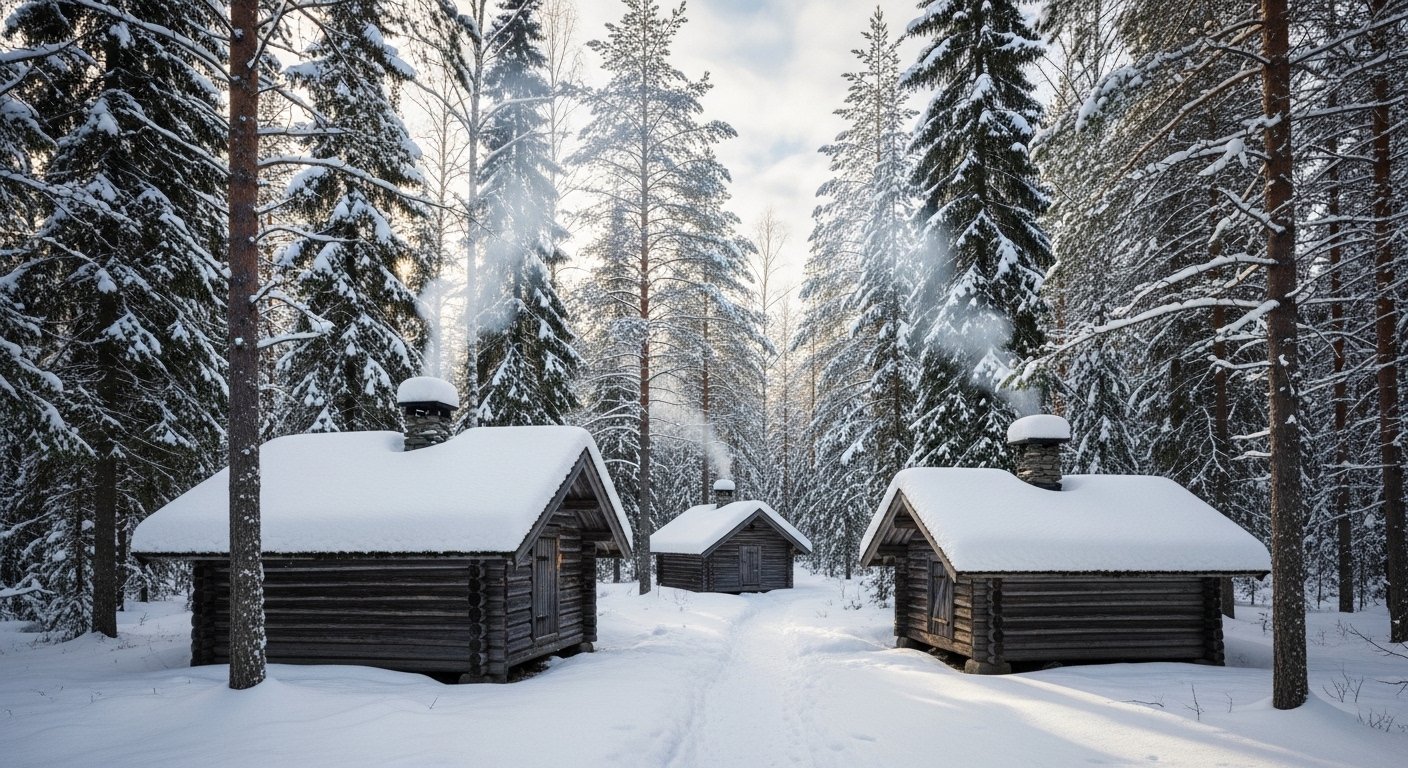
Key Insights on Tiimatuvat
Research suggests tiimatuvat are traditional communal structures rooted in northern cultures, particularly Finnish heritage, blending sustainable craftsmanship with modern appeal. They offer a unique way to connect with ancestral designs while promoting eco-friendly living.
- Cultural Roots: Often seen as symbols of community and resilience, tiimatuvat historically served as gathering spaces in harsh northern environments, fostering bonds and heritage preservation.
- Craft and Materials: Built with natural elements like wood and stone, they emphasize sustainability, though adaptations vary by region and purpose.
- Modern Integration: It seems likely that incorporating tiimatuvat principles can enhance home decor with mindful, eco-conscious touches, balancing tradition and contemporary needs.
- Potential Benefits: Evidence leans toward improved well-being through holistic environments, but views differ on how fully they adapt to urban lifestyles.
- Considerations: While inspiring, building one requires respect for cultural origins; start small to avoid overwhelming projects.
Imagine stepping into a cozy space where history whispers through wooden beams and stone walls. Tiimatuvat, these ancestral dwellings, invite that experience, merging indigenous architecture with sustainable building materials. For culturally-conscious homeowners, they represent a bridge to northern craftsmanship, offering communal gathering spaces that promote mindfulness in design.
In a fast-paced world, tiimatuvat remind us of holistic living environments. Sustainable living advocates appreciate their eco-friendly home decor potential, while interior design enthusiasts find fresh inspiration in traditional wood and stone structures. Yet, debates exist around cultural heritage preservation, urging respectful adaptations.
Begin with research on local materials, then experiment with small decor elements like woven textiles or rustic lighting to evoke tiimatuvat vibes in your space.
Have you ever wondered what it would feel like to curl up in a space that echoes the whispers of ancient forests and communal firesides? Tiimatuvat, those timeless structures from northern traditions, invite just that kind of warmth and connection. In this ultimate guide to tiimatuvat, we will dive into their rich history, the artistry behind their craft, and practical ways to weave these elements into your modern home. Whether you are a homeowner seeking cultural depth or an eco-enthusiast chasing sustainable vibes, tiimatuvat offer a path to spaces that feel both rooted and refreshingly alive.
Tiimatuvat trace their roots back to the rugged landscapes of northern Europe, particularly in Finnish and indigenous communities where harsh winters demanded clever shelter solutions. Picture small wooden cabins, or “tupas,” huddled together for warmth and storytelling sessions. These ancestral dwellings emerged centuries ago, crafted by communities to withstand the elements while fostering social bonds. For instance, in Finnish culture, they often served as mökki-like spaces for gatherings, blending functionality with a deep respect for nature.
Over time, tiimatuvat evolved from basic shelters to symbols of resilience. During colonial eras, indigenous groups preserved these designs as acts of cultural defiance, passing down techniques through oral histories and hands-on apprenticeships. Today, revival movements, like those seen in community workshops across Scandinavia, highlight their role in cultural heritage preservation. Think of them as living museums, where each beam tells a story of adaptation and survival. This history is not just academic; it grounds tiimatuvat in a narrative that resonates with anyone interested in ancestral architecture.
Beyond their physical form, tiimatuvat hold profound cultural weight. They embody communal gathering spaces, places where families and friends share meals, rituals, and wisdom. In indigenous contexts, they foster a sense of unity, much like how Sami kota structures promote harmony with the land. This significance extends to modern times, where tiimatuvat inspire mindfulness in design, encouraging us to slow down amid digital chaos.
However, opinions vary on their relevance today. Some argue that globalization dilutes these traditions, while others see tiimatuvat as tools for empowerment, helping communities reclaim identities lost to modernization. For example, in sustainable living circles, they symbolize eco-friendly home decor that honors the past. Rituals tied to tiimatuvat, such as seasonal gatherings, remind us of holistic living environments, blending spiritual and practical elements. If you have ever felt disconnected in a sterile apartment, incorporating tiimatuvat principles could be your antidote, sparking conversations about cultural roots over a shared cup of tea.
Building a tiimatupa starts with selecting the right spot, a flat area with good drainage and sunlight to mimic northern landscapes. Traditional methods rely on local resources, ensuring sustainability from the ground up. First, lay a sturdy wooden foundation to elevate the structure against moisture. Then, assemble walls using interlocking logs or stone for insulation, creating a snug fit that traps heat.
The roof, often sloped for snow runoff, might use thatch or wooden panels, adding to the rustic charm. Tools are simple: saws, hammers, and perhaps a level for precision. This process, handed down through generations, emphasizes northern craftsmanship, where every joint reflects patience and skill. Variations exist; some tiimatuvat feature open hearths for communal fires, while others include small windows sealed against the cold. The result? A space that feels organic, as if grown from the earth itself.
To illustrate the steps, here is a simple table comparing traditional vs. beginner-friendly builds:
| Aspect | Traditional Build | Beginner-Friendly Adaptation |
|---|---|---|
| Materials | Local wood, stone, thatch | Pre-cut lumber, recycled stone |
| Tools Needed | Hand saws, hammers, chisels | Power tools, screws for ease |
| Time Estimate | Weeks to months, community effort | Days, solo or small group |
| Complexity | High, requires skilled artisans | Low, follow online guides |
| Cost | Low, using foraged items | Moderate, store-bought supplies |
This table shows how accessible tiimatuvat can be, even if you are new to the craft.
At the heart of tiimatuvat lies a commitment to sustainable building materials. Wood, often hardwood or softwood from managed forests, provides durability without depleting resources. Stone adds stability and thermal mass, keeping interiors cool in summer and warm in winter. Natural fibers like wool or hemp serve as insulation, reducing the need for synthetic alternatives.
This eco-focus aligns with sustainable living advocates’ goals, minimizing carbon footprints through local sourcing. For instance, communities like those in Tiimatuvat-inspired projects use recycled materials, echoing indigenous practices of resource respect. Myths abound, like the idea that these structures are outdated; in reality, their low-impact design outperforms many modern builds in energy efficiency. By choosing these materials, you are not just building a space, you are investing in the planet’s future, one log at a time.
Tiimatuvat are not relics; they thrive in contemporary settings. Modern adaptations blend sleek metals with traditional wood, creating hybrid spaces for urban homes. Imagine a tiimatupa as a backyard studio, equipped with solar panels and smart lighting, perfect for remote work or wellness retreats.
Companies like IKEA draw inspiration, offering modular furniture that echoes tiimatuvat simplicity. In education, schools use pop-up tiimatuvat for outdoor classes, promoting environmental awareness. Artists turn them into galleries, mixing rustic vibes with bold colors. This fusion addresses doubts about practicality; with energy-efficient features, tiimatuvat fit minimalist lifestyles, proving tradition can evolve without losing its soul.
Bringing tiimatuvat into your home is easier than you might think. Start with eco-friendly home decor: woven baskets from local artisans, or stone accents on shelves to evoke ancestral dwellings. Textiles in earthy tones add warmth, while lanterns mimic the soft glow of communal fires.
For a deeper dive, redesign a room as a communal gathering space, with open layouts and natural light. Products like those from Etsy sellers specializing in northern craftsmanship can help. Address common myths, such as high maintenance; gentle cleaning and seasonal checks keep things pristine. This approach turns your space into a holistic living environment, where every piece sparks a story.
Ready to try your hand? For beginners, scale down: build a small garden tiimatupa as a reading nook. Gather pre-cut wood, screws, and basic tools. Sketch a simple plan, then assemble step by step.
Tips include starting with durable, eco-friendly finishes to weatherproof your creation. If challenges arise, like uneven ground, use adjustable foundations. Real examples abound; homeowners on platforms like Pinterest share transformations, turning backyards into serene retreats. Remember, the joy is in the process, connecting you to tiimatuvat rituals of creation and community.
The perks of tiimatuvat extend far. They promote sustainable living with low energy use, thanks to natural insulation. Health benefits include better air quality from organic materials, and mental well-being from mindful designs.
Compared to standard homes, tiimatuvat offer cost savings on utilities and a smaller ecological footprint. A chart could visualize this: imagine bars showing carbon emissions (tiimatuvat low at 20% of average homes) versus traditional builds. They foster social connections, turning houses into homes alive with shared experiences.
In wrapping up, tiimatuvat bridge worlds, offering timeless wisdom for today’s challenges. Next steps? Research local workshops, or start with a decor swap. Share your tiimatuvat-inspired projects in the comments below!
- Explore sustainable materials at local suppliers.
- Join online communities for design ideas.
- Attend cultural festivals to experience authentic tiimatuvat.
- Experiment with small DIY projects.
- Read books on indigenous architecture for deeper insights.
What is the cultural significance of tiimatuvat in modern times?
Tiimatuvat symbolize community resilience and heritage, adapting to promote sustainable, mindful living today.
How to build a tiimatupa for beginners?
Start with a simple foundation, use basic tools and natural materials, and follow step-by-step guides for a small-scale version.
What are the benefits of traditional tiimatuvat structures?
They offer energy efficiency, eco-friendliness, and enhanced well-being through connection to nature.
How can I incorporate tiimatuvat into home decor?
Use rustic wood, stone accents, and warm textiles to create cozy, culturally-inspired spaces.
What are modern adaptations of tiimatuvat design?
Blend traditional elements with smart tech and modular designs for urban or hybrid uses.
How does tiimatuvat support sustainable living?
Through local, natural materials that reduce environmental impact and promote resource respect.
What is the history and origins of tiimatuvat rituals?
Rooted in northern indigenous practices, rituals involve communal gatherings to honor heritage and nature.