 By Sayyam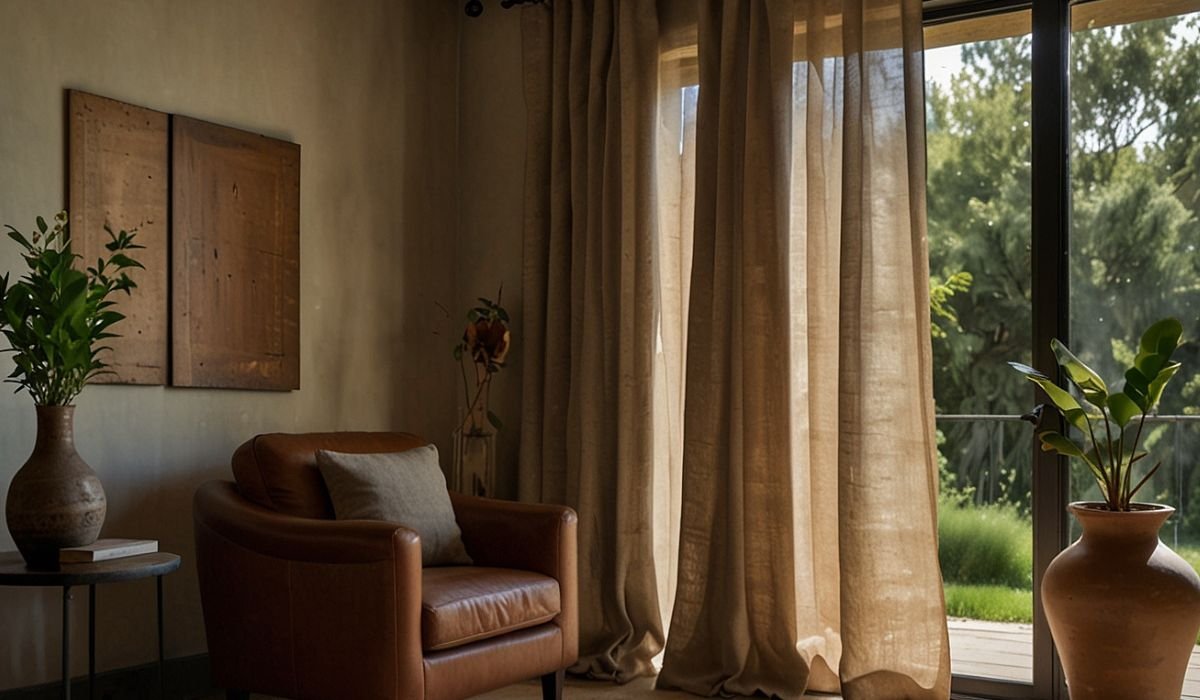
Have you ever walked into a room and felt an immediate sense of calm? Not because it was sparse or cold, but because every object, every texture, seemed to belong? Or perhaps you’ve seen someone whose style you couldn’t quite pinpoint—no loud logos, just an undeniable, cohesive elegance. That sensation, that subtle pull towards intentional beauty, has a name. It’s the essence of gessolini.
It’s not a brand you can buy. It’s not a strict set of rules. So, what is it? Think of gessolini as the whisper in a world of shouts. It’s the philosophy that champions the beauty of raw texture, the confidence of minimalism, and the soulful touch of the human hand in our spaces and our style. Let’s pull back the curtain on this captivating approach to living.
In a digital world saturated with perfect, glossy images, our senses are craving something real. We’re hungry for the tactile, the imperfect, the things that feel made. This is where gessolini plants its flag. It’s a direct response to the fatigue of fast fashion and disposable decor.
The future, as seen through the lens of gessolini, isn’t about sterile, futuristic spaces. It’s about warmth and authenticity. It’s the difference between a mass-produced plastic chair and a hand-thrown ceramic vase. Both are functional, but one has a story, a texture, a soul. This shift towards mindful consumption is why concepts like this are moving from niche to necessary.
Okay, so it sounds lovely. But how do you bring this abstract concept into your daily life? It’s easier than you think. It’s about making small, intentional swaps.
Forget matching furniture sets. Gessolini in interior design is about creating a sensory experience.
- Embrace the Imperfect: Seek out a sofa with a chunky, nubby wool throw instead of a slick synthetic one. Choose a dining table with visible wood grain, not a perfectly laminated surface.
- A Neutral Palette with Depth: Think beyond plain white. Paint your walls in a warm, earthy clay tone or a soft, greyed-out green. These colors act as a canvas for textures to shine.
- Simple Visuals in Action: Imagine an infographic titled “The Gessolini Living Room.” It wouldn’t show products, but rather textures: a rough linen curtain next to a smooth stone side table, a sleek metal lamp base against a deeply-piled rug.
This is where gessolini truly comes to life. It’s a step beyond the standard capsule wardrobe into the realm of tactile dressing.
- Focus on Fabric, Not Logos: Instead of buying a shirt for its brand, buy it for its fabric. How does this organic cotton feel against your skin? How does this heavy linen drape?
- Curate a Palette, Not an Outfit: Build your wardrobe around a core of neutral, complementary colors—creams, clays, charcoals, and taupes. This allows different textures to play off each other harmoniously. A silk blouse under a wool-blend blazer, or a leather bag against a cotton dress.
- Real-World Example: Look at brands like COS or Aēsop. They don’t scream for attention. Instead, they draw you in with the weight of their linen, the feel of their ceramics, and the subtle, herbaceous scents of their products. They’ve built their entire identity on this principle of understated, textured elegance.
You don’t need to overhaul your life. Start here.
- The One-In, One-Out Rule with Feeling: Before you buy something new, hold it. Does the texture bring you joy? If not, put it back. When you bring a new textured piece in, let go of something that no longer serves that sensory purpose.
- Create a “Texture Corner”: Find one small space in your home—a bookshelf, a side table. Style it with only three objects that have contrasting textures: a smooth river stone, a knitted basket, a matte-glaze pottery cup. See how it makes you feel.
- Wear a “Quiet” Outfit: Tomorrow, dress head-to-toe in a single color family, but use three different textures. For example, grey cotton jeans, a grey cashmere sweater, and a grey tweed blazer. Notice the quiet confidence it brings.
Adopting a gessolini mindset isn’t about spending more money; it’s about paying more attention. It’s about choosing things that feel as good as they look, and creating an environment that reflects a more considered, intentional you. It’s the understanding that true elegance doesn’t need to announce itself—it’s felt in the details.
What’s the first textured object in your home that truly makes you pause and appreciate it?
Q1: Is gessolini the same as Scandinavian design (like Hygge)?
While they share a love for minimalism and coziness, gessolini places a stronger, more central emphasis on texture and tactile experience. Hygge is about a feeling of comfort, while gessolini is about the material execution that creates that feeling.
Q2: Can I incorporate gessolini if I love color?
Absolutely! The core of gessolini is texture. While it often lives within a neutral palette for ease, you can absolutely introduce color. The key is to choose colors with depth and richness—earthy terracottas, muted ochres, deep navies—and let them interact with varied materials.
Q3: This sounds expensive. Is it only for luxury goods?
Not at all. It’s about mindset, not price tag. A beautifully textured, hand-thrown mug from a local artisan might cost more, but a simple, high-quality cotton waffle-weave towel from a mainstream store can evoke the same gessolini principle. It’s about seeking out quality and texture at every budget.
Q4: Where does the term “gessolini” come from?
The term evokes Italian craftsmanship and elegance (“-ini” is a common Italian suffix). While not a formally defined word, it’s used in design circles to describe this specific aesthetic of understated, textured minimalism that feels both modern and soulful.
Q5: How is this different from “minimalism”?
Traditional minimalism can sometimes lean towards the sterile or clinical. Gessolini injects warmth and humanity into minimalism through its celebration of raw, natural, and imperfect textures. It’s minimalism with a heartbeat.
 Bemi Brooks